THERAPIES & METHODS
Integrative
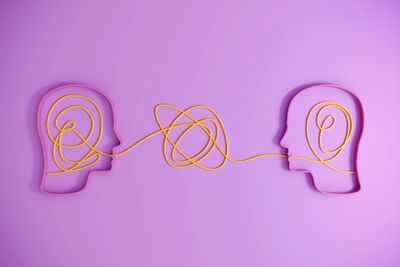
Integrative counselling is a flexible and personalised approach to therapy that recognises that every person is unique. Rather than relying on a single method, integrative counselling combines ideas and techniques from different therapeutic approaches to meet your individual needs, experiences, and goals.
Person Centered
Person-Centred therapy is based on the belief that everyone has the capacity for growth and change within themselves. Psychological distress can occur when life experiences or the expectations of others lead us away from our authentic selves. This therapy offers empathy, genuineness, and unconditional positive regard, creating a safe and accepting relationship that will enable you to explore you experiences freely, and reconnect with your own values and strengths
Psychodynamic
Psychodynamic counselling offers a space to explore how past experiences, relationships, and unconscious patterns may be influencing your thoughts, feelings, and behaviours in the present. Together, we will look at recurring themes and emotional responses, helping you gain a deeper understanding of yourself and your relationships. By increasing self-awareness and understanding the roots of current difficulties, psychodynamic counselling can support lasting emotional change and help you develop healthier ways of relating to yourself and others.
Transactional Analysis
Transactional Analysis (TA) is a collaborative approach to counselling that helps you understand how your thoughts, feelings, and patterns of relating to others have developed over time. Together, we will explore the ways you communicate, the roles you may find yourself taking in relationships, and how early experiences can influence present-day behaviours. TA provides practical tools and insights to help you recognise unhelpful patterns, improve communication, and make more conscious choices. By increasing self-awareness, you can develop healthier relationships, strengthen your sense of self, and create positive and lasting change.
Attachment
Attachment therapy focuses on recognising recurring ways of thinking, feeling, and relating, particularly those that developed as adaptations to early experiences. By understanding your attachment style and emotional needs, you can begin to develop greater self-awareness, regulate emotions more effectively, and build more secure and satisfying relationships. The aim is not to blame the past, but to understand how earlier experiences continue to influence the present and to support meaningful and lasting change.
Intercultural
Intercultural therapy recognises that our cultural backgrounds, identities, values, and lived experiences play an important role in shaping how we understand ourselves and the world around us. Factors such as ethnicity, race, nationality, religion, gender, sexuality, family traditions, and experiences of migration, discrimination, or belonging can all influence emotional wellbeing and relationships.
Intercultural therapy provides an opportunity to explore these experiences and how they may affect your sense of identity, relationships, and mental health. Rather than viewing difficulties in isolation, it considers the wider social and cultural contexts in which they arise. This approach values curiosity, openness, and cultural awareness, helping you make sense of your experiences, develop a stronger sense of self, and find ways of living that feel authentic and meaningful to you